 EN
EN
 AR
AR
 HR
HR
 CS
CS
 DA
DA
 NL
NL
 FI
FI
 FR
FR
 DE
DE
 EL
EL
 HI
HI
 IT
IT
 JA
JA
 KO
KO
 NO
NO
 PL
PL
 PT
PT
 RO
RO
 RU
RU
 ES
ES
 SV
SV
 CA
CA
 TL
TL
 IW
IW
 ID
ID
 UK
UK
 VI
VI
 ET
ET
 HU
HU
 TH
TH
 TR
TR
 AF
AF
 MS
MS
 GA
GA
 UR
UR
 BN
BN
 BS
BS
 LO
LO
 MN
MN
 MY
MY


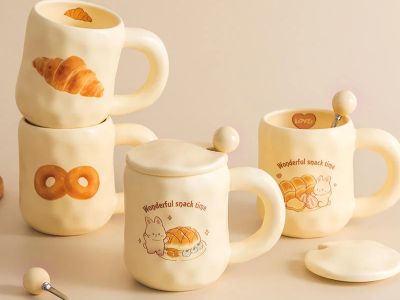
Direct Ceramic Mug Sourcing for Supermarkets
Finding ways to reduce purchasing costs is important for supermarkets, especially when buying products in large quantities. One effective approach is sourcing ceramic mugs directly from factories. Instead of purchasing through several middlemen, supermarkets can communicate directly with manufacturers and negotiate prices, quantities, designs, and specifications.
Working with a manufacturer such as XINGYE can give supermarkets more control over the purchasing process. Direct sourcing may also provide opportunities for customization, quality checks, and stronger long-term supplier relationships. However, buyers still need to research suppliers carefully and consider factors such as product quality, production capacity, shipping costs, and lead times.
How to Source Ceramic Mugs Directly From Factories?
The first step in sourcing ceramic mugs directly is researching suitable manufacturers. Supermarkets can search online for factories that specialize in ceramic products and compare their product ranges, manufacturing capabilities, certifications, and customer feedback. Companies such as XINGYE can be included in the initial supplier list when their products match the supermarket's requirements. After identifying potential manufacturers, buyers should contact them directly. Explain the required mug styles, sizes, colors, quantities, packaging, and delivery destination. Providing clear specifications helps manufacturers prepare more accurate quotations. Minimum order quantity is another important consideration. Some factories may require supermarkets to purchase a specific number of mugs per order. Buyers should confirm the minimum order quantity before moving forward.
Requesting product samples is also recommended. Samples allow buyers to check the handmade ceramic mugs appearance, size, weight, glaze, handle construction, and overall finish before placing a large order. If customization is required, buyers should also review samples of customized products before approving mass production. Price comparison is important, but buyers should not focus only on the unit price. Shipping, packaging, customs duties, inspection costs, and other expenses can affect the final purchasing cost. A factory with a slightly higher unit price may still provide better overall value if it offers stronger quality control and more reliable delivery. Once a supplier has been selected, supermarkets should confirm all important details in writing. This can include product specifications, quantities, prices, packaging requirements, production schedules, inspection arrangements, and shipping terms. Maintaining clear communication throughout production can help prevent misunderstandings.
Benefits of Buying Ceramic Mugs Directly From Manufacturers
One of the main advantages of direct sourcing is the possibility of reducing purchasing costs. When fewer intermediaries are involved, supermarkets may have more opportunities to negotiate pricing directly with manufacturers. Lower purchasing costs can help retailers maintain competitive prices or improve their margins. Direct sourcing can also provide better access to product customization. Supermarkets may request particular colors, patterns, packaging styles, or other product features. By communicating directly with a factory, buyers can discuss these requirements more efficiently.
Quality control is another advantage. Buyers can request samples and establish quality requirements before production begins. They can also ask about manufacturing processes and inspection procedures. This gives supermarkets greater visibility into the products they intend to sell.
Communication can also become easier. When supermarkets work directly with manufacturers, questions about specifications, production schedules, packaging, and potential problems can be handled without passing information through multiple companies. Long-term relationships can provide additional benefits. After successfully working with a factory, supermarkets may be able to establish repeat orders and develop customized product lines. A strong supplier relationship can also make future purchasing discussions more efficient. For these reasons, direct sourcing of ceramic mugs can be a useful strategy for supermarkets seeking greater control over costs, quality, customization, and supply.
How to Avoid Common Procurement Problems When Sourcing Ceramic Mugs?
Although direct sourcing has many advantages, supermarkets should still avoid common procurement mistakes. One of the first problems is choosing a supplier without properly checking product quality. A low price is not useful if the mugs arrive damaged, poorly finished, or different from the agreed specifications. Requesting samples before a large order can reduce this risk. Buyers should inspect the samples carefully and compare them with the product specifications. Production capacity is another important factor. A factory may offer attractive prices but have difficulty handling large or repeated orders. Supermarkets should ask about production capacity and lead times before committing to a supplier. Delivery schedules should also be discussed clearly. If ceramic custom ceramic mugs arrive late, a supermarket could experience empty shelves and lost sales. Buyers should understand the expected production time, shipping schedule, and possible delays. Another common mistake is failing to compare complete costs. Buyers should consider the product price together with packaging, transportation, insurance, taxes, duties, and other expenses. Comparing the total landed cost gives a more accurate picture of the actual purchase price. Supermarkets should also clarify quality requirements before production begins. Important details such as dimensions, color, glaze, printing, packaging, and acceptable defect levels should be documented. Clear specifications make it easier to identify whether the finished products meet expectations. Finally, buyers should maintain communication with the manufacturer throughout the purchasing process. Regular updates can help identify potential production or shipping problems before they become serious.
Wholesale Trends Shaping the Ceramic Mug Market
Several trends are influencing the ceramic mug market. One important trend is growing interest in environmentally conscious products. Customers increasingly look for products that align with sustainability goals, so supermarkets may consider ceramic mugs with appropriate environmentally focused materials, packaging, or production practices. Customization is another growing opportunity. Customers may be attracted to mugs featuring unique patterns, colors, seasonal designs, names, messages, or other personalized elements. Direct factory sourcing can make it easier for supermarkets to discuss customized product requirements. Seasonal and themed mugs can also create opportunities for retailers. Holiday designs, special events, promotional campaigns, and gift-oriented products can help supermarkets introduce new products throughout the year.
Online shopping is another factor shaping the market. Supermarkets selling ceramic mugs through e-commerce channels need attractive product images, accurate descriptions, and suitable packaging. Working directly with manufacturers can help retailers coordinate product specifications and packaging for online sales. Direct sourcing also gives retailers an opportunity to respond more quickly to changing customer preferences. When a particular style or design becomes popular, supermarkets can communicate directly with manufacturers about future orders or new product development.
Overall, sourcing ceramic mugs directly from factories can help supermarkets gain greater control over purchasing, product quality, customization, and supplier relationships. By researching manufacturers, requesting samples, comparing complete costs, checking production capacity, and monitoring quality, supermarkets can build a more reliable procurement process while taking advantage of opportunities in the changing ceramic mug market.