 EN
EN
 AR
AR
 HR
HR
 CS
CS
 DA
DA
 NL
NL
 FI
FI
 FR
FR
 DE
DE
 EL
EL
 HI
HI
 IT
IT
 JA
JA
 KO
KO
 NO
NO
 PL
PL
 PT
PT
 RO
RO
 RU
RU
 ES
ES
 SV
SV
 CA
CA
 TL
TL
 IW
IW
 ID
ID
 UK
UK
 VI
VI
 ET
ET
 HU
HU
 TH
TH
 TR
TR
 AF
AF
 MS
MS
 GA
GA
 UR
UR
 BN
BN
 BS
BS
 LO
LO
 MN
MN
 MY
MY


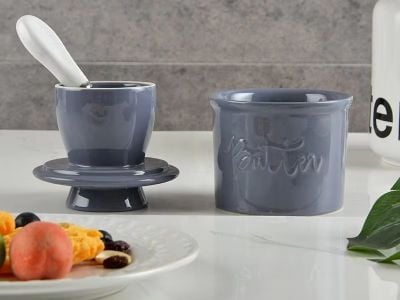
Understanding Minimum Order Quantities (MOQ) is very important for anyone who wants to buy ceramics in bulk. When you plan to purchase items like ceramic plates, cups, or tiles from a company like XINGYE, you will often see terms like MOQ. This means the smallest amount of products you can order at one time. Knowing about MOQs can help you save money and make better choices. If you don't pay attention to MOQs, you might end up ordering too much or too little. This can lead to wasting money or running out of stock when you need it most. So, understanding MOQs can make your buying experience smoother and more effective.
What are the Benefits of Understanding Minimum Order Quantities (MOQ) for Wholesale Buyers?
For wholesale buyers, understanding MOQs can create many advantages. First, it helps you plan your purchases better. If you know that a company has a MOQ of 100 pieces, you can decide if you need that many items. Sometimes, a lower MOQ allows you to test new products without spending too much money. For example, if XINGYE has a MOQ of 50 for a new type of ceramic mug, you can order just that amount to see if your customers like it. This way, you don’t risk buying too many items that might not sell.
Another benefit is cost savings. When you order in larger quantities, you might get a discount. Companies often charge less per item when you meet their MOQ. This means if you need 200 ceramic candle vessels, and the MOQ allows for a better price, you can save money compared to buying only 50 vases. Additionally, understanding MOQs can help you build a good relationship with your suppliers. If you consistently meet their MOQs, they may be more willing to negotiate with you on pricing or offer better deals in the future.
Lastly, understanding MOQs can improve your inventory management. You won’t want to order too much if you don’t have space to store the items. Knowing the MOQ helps you balance between having enough stock and not overcrowding your storage space. This balance is crucial for maintaining a healthy cash flow in your business.
How Minimum Order Quantities (MOQ) Influence Your Overall Ceramic Sourcing Costs?
MOQs can significantly influence your overall costs when sourcing ceramics. When you buy ceramics, every decision matters. If you don’t meet the MOQ, you might have to pay extra fees, which can make your total cost higher. For instance, if XINGYE has a MOQ of 100 pieces and you only order 80, you could face a surcharge. This added cost can eat into your profits.
If you decide to meet the MOQ and order more items, you might feel good about getting a lower price per piece. But, if you order too many items that don’t sell quickly, you tie up your cash in inventory. This could lead to financial strain if you have to invest in other products or services. The balance between ordering enough to meet MOQ and not over-ordering is delicate but necessary.
Also, if your business is seasonal, understanding MOQs helps you plan accordingly. For example, if you know that holiday sales spike, you can time your orders with the MOQ in mind. This way, you won’t have a lot of excess inventory sitting around after the busy season.
In the end, knowing about MOQs assists you in making smart buying decisions, which can lower your costs and boost your profits. Choosing the right quantity to order from XINGYE will not only help you save money but also make your business more efficient.
Where to Find the Best Ceramic Suppliers with Flexible Minimum Order Quantities?
If you are looking for ceramic products, finding the right supplier is very important. You want someone who can give you good prices but also understands that sometimes you might not want to buy a lot of items at once. This is where Minimum Order Quantities, or MOQs, come into play. MOQs are the smallest number of items a supplier will let you buy at one time. Some suppliers have high MOQs, which means you have to buy a lot of products, even if you don’t need that many. This can be a problem for small businesses or individuals who want to test out new products without spending too much money.
XINGYE is a great company to consider because we understand that flexibility is key. We offer a variety of ceramic products with lower MOQs. This means you can buy just what you need without feeling like you have to buy a whole warehouse full. You can check online for suppliers like XINGYE by looking at websites that focus on ceramics. Many of these sites allow you to filter your search by MOQ. You can also ask for recommendations from friends or other businesses that source ceramic candle pots. They might know suppliers that offer good prices and flexible ordering.
Additionally, attending trade shows or craft fairs can help you meet suppliers in person. This gives you a chance to see the products up close and talk about MOQs directly. When choosing a supplier, it’s smart to ask questions about their policies on MOQs. Don’t be afraid to negotiate! Some suppliers may be willing to lower their MOQs if you promise to buy more in the future. Building a good relationship with your supplier can lead to better deals down the road. Remember, the goal is to find a supplier that works well for you, like XINGYE, so you can get the best ceramics without overspending.
What Wholesale Buyers Need to Know About MOQ and Bulk Pricing Strategies?
When you are buying ceramics in bulk, knowing about MOQs is very important. MOQs can change how much you end up paying for your products. If a supplier has a high MOQ, you might feel pressured to buy more items than you really want or need. This can lead to spending more money upfront. On the other hand, buying in bulk can often save you money in the long run. This is why understanding how MOQs work is essential for wholesale buyers.
At XINGYE, we know that buying in bulk can be a smart strategy. Many suppliers offer lower prices per item when you buy larger quantities. This is because they save on costs when they produce and ship more items at once. However, if the MOQ is too high, you might end up with items you cannot sell, which is a waste of money. It’s important to find a balance between the MOQ and the savings you can get from buying in bulk. Before making a decision, think about how many items you really need and how quickly you can sell them.
Another strategy to consider is to join forces with other buyers. If you know other businesses that also need ceramics, you can team up to meet the MOQ together. This way, everyone gets what they need without over buying. XINGYE is always open to working with various buyers to find solutions that fit their needs. Remember that communication is key. Talk to your supplier about your concerns and see if they can help you find the right balance with MOQs and bulk pricing. This way, you can enjoy the benefits of bulk purchasing without the stress of high MOQs.
How to Calculate Your Total Costs When Dealing with Minimum Order Quantities?
When you are sourcing ceramics, it’s crucial to know how to calculate your total costs, especially when MOQs come into play. Your total costs are not just the price of the ceramics themselves; you also need to think about shipping, taxes, and any additional fees. To get a clear picture of what you are spending, start by figuring out the base price of the ceramic candle containers you want from your supplier, like XINGYE.
Next, multiply that price by the MOQ to find out how much you will pay for the ceramics alone. For example, if the price is $10 per item and the MOQ is 50 items, your cost would be $500. Don’t forget to add shipping costs. These can vary based on how far the items need to go and how quickly you want them. It’s a good idea to ask your supplier for a shipping estimate when you place your order.
Table of Contents
- What are the Benefits of Understanding Minimum Order Quantities (MOQ) for Wholesale Buyers?
- How Minimum Order Quantities (MOQ) Influence Your Overall Ceramic Sourcing Costs?
- Where to Find the Best Ceramic Suppliers with Flexible Minimum Order Quantities?
- What Wholesale Buyers Need to Know About MOQ and Bulk Pricing Strategies?
- How to Calculate Your Total Costs When Dealing with Minimum Order Quantities?