 EN
EN
 AR
AR
 HR
HR
 CS
CS
 DA
DA
 NL
NL
 FI
FI
 FR
FR
 DE
DE
 EL
EL
 HI
HI
 IT
IT
 JA
JA
 KO
KO
 NO
NO
 PL
PL
 PT
PT
 RO
RO
 RU
RU
 ES
ES
 SV
SV
 CA
CA
 TL
TL
 IW
IW
 ID
ID
 UK
UK
 VI
VI
 ET
ET
 HU
HU
 TH
TH
 TR
TR
 AF
AF
 MS
MS
 GA
GA
 UR
UR
 BN
BN
 BS
BS
 LO
LO
 MN
MN
 MY
MY


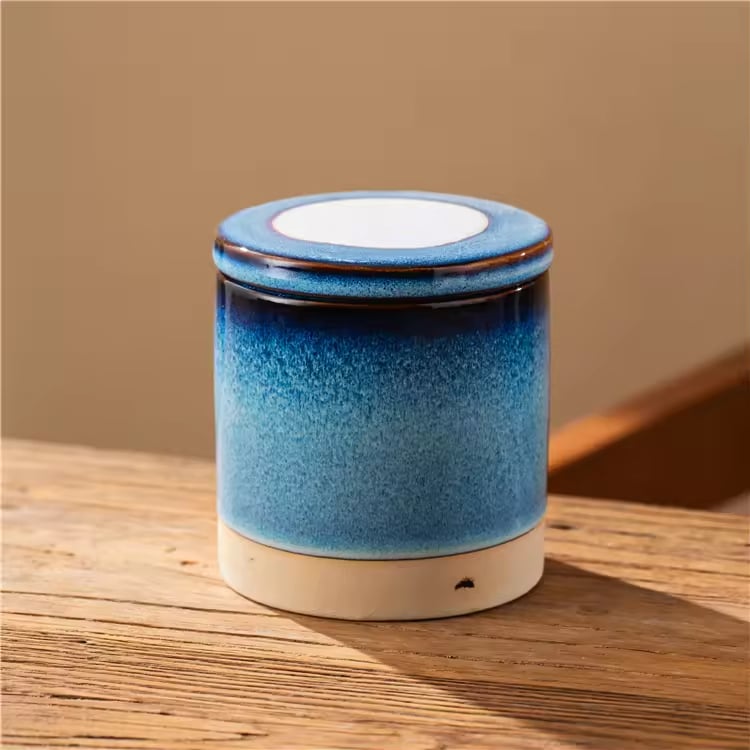
In custom ceramic manufacturing, understanding the costs before making a product is very important. One key cost to think about is mold fees. When a company like XINGYE creates custom ceramics, they often need special molds to shape the clay into the final product. These molds can be expensive, and knowing how much they will cost upfront can help customers plan their budgets better. Mold fees are part of the overall cost of making ceramic items, and they can change the final price of the product. This article will help you learn more about mold fees and how they impact the process of making custom ceramics.
What Are Mold Fees and How Do They Affect Custom Ceramic Manufacturing?
Mold fees are charges that a manufacturer, such as XINGYE, collects for making the molds used in production. It’s like making a cake; you need a specific pan to get the right shape. Similarly, in ceramic manufacturing, each unique design requires a specially made mold. The cost for these molds can vary. If the design is simple, the mold might not cost much. However, if the design is complicated or needs special materials, the mold fee can increase. This cost is paid before production starts, so it’s important for customers to factor it into their budgets.
For example, if someone wants to create a set of custom mugs with a unique shape, they must pay for the mold that shapes the clay into that design. If the mold costs $500, that fee will be added to the overall cost of making the mugs. This means the customer knows up front what part of their costs come from the mold. Understanding mold fees helps customers make educated decisions. They can choose to stick with a simpler design to save money or invest in a more elaborate design if they are willing to pay more.
Mold fees can also affect how quickly a product can be made. If the mold is complex and takes a long time to create, it can delay production. Customers need to plan for this as well. Therefore, knowing about mold fees is crucial. It helps customers to understand what they are paying for and why. This way, they can have a better overall experience with their custom craft ceramics series products.
Mold Fees Explained
Mold fees play a big role in custom ceramic manufacturing. When a customer approaches XINGYE with a custom design, the first step is usually to create a mold. This mold becomes the blueprint for all the pieces that will be made. The fee for this mold is not just for the materials used but also for the time and expertise needed to create it. Skilled workers spend hours, sometimes even days, designing and building the perfect mold. This is why the fees can be high.
Let’s say a customer wants a ceramic vase with a very detailed design. The mold needs to capture every little detail perfectly. To do this, the manufacturer might need to use special technology or techniques, which could increase the mold fee. On the other hand, if a customer wants something more straightforward, the mold fee could be lower. It all depends on the design complexity.
Also, mold fees aren’t always a one-time cost. Sometimes, if a mold gets damaged or needs changes, there could be extra fees later on. Understanding this helps customers to plan better. They might want to ask questions about the mold's lifespan and what happens if they want to make changes down the line.
In addition, it’s wise for customers to discuss with XINGYE how many pieces they plan to produce. If a customer only wants a few items, the mold fee can be a larger part of the total cost. But if they plan to make many pieces, the fee gets spread out, making each item cheaper. This is important for budgeting and can affect the decision on how many items to order.
By explaining mold fees clearly, XINGYE helps customers to feel more confident in their choices. They know what they are paying for and can make better decisions about their custom ceramic products. Understanding these fees makes the whole process smoother and more enjoyable for everyone involved.
What Wholesale Buyers Should Know About Sampling Fees in Ceramic Manufacturing
When you want to buy ceramics in bulk, it’s important to understand sampling fees. Sampling fees are costs that you pay to get a sample of the product before you make a larger order. This is like trying on clothes before buying them. You want to make sure the handcrafted ceramic mugs pieces look good and are made well. At XINGYE, we know that sampling is a key part of the buying process. It helps buyers see the quality, size, and design of the ceramics. This fee can vary based on what you want. For example, if you want a special design or color, the sampling fee might be higher. This is because it takes time and resources to create a unique sample.
It's also important to remember that some companies, like XINGYE, may refund the sampling fee if you decide to place a larger order. This means that the fee can be seen as an investment. When you pay for a sample, you are making sure that what you get in the end is exactly what you want. So, when looking at ceramics for your store or business, always ask about the sampling fees. Make sure you know what you’re paying for and how it relates to your final order. Understanding these upfront costs can help you budget better and avoid surprises later. Remember, a good sample can lead to a great bulk order, so it's worth taking the time to get it right.
What Are the Common Issues with Mold Fees and Sampling in Ceramics?
Mold fees are another cost to consider when ordering ceramics. Mold fees are the charges for creating the molds used to shape the ceramics. Making a mold can be a complex process and can cost a lot of money. At XINGYE, we often see customers confused about why mold fees are necessary. One common issue is that buyers may not understand that every unique design needs its own mold. If you want a special shape or style, expect to pay for that mold.
Another issue is that some buyers may not realize that mold fees are often non-refundable. This means that if you change your mind after the mold is made, you might still have to pay for it. This can lead to misunderstandings. It’s important to communicate clearly with your manufacturer about what you want before any molds are made. At XINGYE, we encourage our clients to ask questions and confirm details about molds and fees.
Lastly, timing can be a problem. Mold creation takes time, and if you need your products quickly, this could delay your order. Be sure to plan ahead and discuss timelines with your manufacturer. Knowing about these common issues can help you make better decisions and avoid surprises when ordering ceramics.
How to Navigate Sampling Costs When Ordering Wholesale Ceramics
Navigating sampling costs can seem tricky, but it doesn’t have to be! First, always ask about the sampling fees upfront. Before you place an order, talk to your manufacturer, like XINGYE, about what to expect. Ask if the sampling fee will be deducted from your total order if you decide to buy more. This can help you feel more comfortable about the initial cost.
Next, consider how many samples you really need. Sometimes, you might only need one or two samples to decide. Don’t feel pressured to get multiple samples if you’re sure about your design. This could save you money. Also, be clear about your design and what you want. The more specific you are, the easier it will be for the manufacturer to create a sample that meets your needs.
Finally, be patient. Good things take time, and creating a quality sample may take a little while. If you need a special design, understand that it might take longer to get your sample. At XINGYE, we always strive to keep our customers informed about the process. If you follow these tips, you can successfully navigate sampling costs and make great choices for your wholesale ceramic ornaments. Remember, clear communication and understanding can make the process smoother and more enjoyable.
Table of Contents
- What Are Mold Fees and How Do They Affect Custom Ceramic Manufacturing?
- Mold Fees Explained
- What Wholesale Buyers Should Know About Sampling Fees in Ceramic Manufacturing
- What Are the Common Issues with Mold Fees and Sampling in Ceramics?
- How to Navigate Sampling Costs When Ordering Wholesale Ceramics