 EN
EN
 AR
AR
 HR
HR
 CS
CS
 DA
DA
 NL
NL
 FI
FI
 FR
FR
 DE
DE
 EL
EL
 HI
HI
 IT
IT
 JA
JA
 KO
KO
 NO
NO
 PL
PL
 PT
PT
 RO
RO
 RU
RU
 ES
ES
 SV
SV
 CA
CA
 TL
TL
 IW
IW
 ID
ID
 UK
UK
 VI
VI
 ET
ET
 HU
HU
 TH
TH
 TR
TR
 AF
AF
 MS
MS
 GA
GA
 UR
UR
 BN
BN
 BS
BS
 LO
LO
 MN
MN
 MY
MY


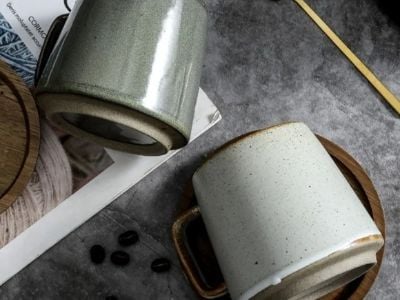
Understanding how ceramics absorb water is important for anyone who makes or buys ceramic products. At XINGYE, we know that the water absorption rate can tell you a lot about the quality and durability of ceramics. When ceramic dishes absorb too much water, they can break or get damaged easily. This is why knowing the right numbers is key. If you are looking for ceramics that will last, you need to pay attention to these rates. Higher water absorption means lower durability. So, when you are sourcing ceramics, it’s essential to choose those with low water absorption rates.
What to Look for in Water Absorption Rates When Sourcing Ceramics Wholesale?
When you are looking at ceramics for wholesale, the water absorption rate is one of the first things to check. A good rule of thumb is to find ceramics with a water absorption rate below 5%. This means they are less likely to soak up water and swell, which can cause cracks. For instance, if you find a ceramic tile with a water absorption rate of 3%, it’s a solid choice for floors or walls. On the other hand, if you see a ceramic with an absorption rate of 10%, you should think twice. Tiles like that might not last long in wet areas like bathrooms or kitchens.
Another thing to consider is the type of ceramic you need. Different ceramics have different uses. For example, porcelain ceramics usually have lower absorption rates compared to earthenware. This makes porcelain a better choice for outdoor use or places where there’s a lot of moisture. Also, remember to check if the manufacturer, like XINGYE, provides certifications or test results about their products. These documents can show you the water absorption rates and assure you that their ceramics meet quality standards.
You should also think about how you will use the ceramics. If they will be used for food, like plates and bowls, lower water absorption is vital. This keeps the food safe and the dishes looking nice. But if you are buying ceramics for decorative purposes, a higher absorption rate might not matter as much. Still, it is always safer to choose ceramics with low absorption rates. This step can save you money in the long run since durable products won’t need to be replaced often.
Where to Find Reliable Data on Water Absorption Rates for Ceramic Products?
Finding reliable data on water absorption rates can sometimes be tricky. However, there are a few good sources you can check. First, you can visit the websites of manufacturers like XINGYE. They often provide detailed information about their products, including water absorption rates. Look for product datasheets or technical specifications. These documents usually have the numbers you need.
Another great source is industry standards organizations. They have guidelines and testing methods that manufacturers follow. By checking these standards, you can understand what the numbers mean. If a ceramic set plates product meets these standards, it is likely to be of high quality.
You can also ask for samples from suppliers. Testing a small piece can give you a clear idea of its water absorption rate. If you can, try to get it tested in a lab. This way, you’ll know for sure how well it performs. If a supplier cannot provide this information or seems hesitant, it might be a red flag.
Lastly, you can read reviews or seek advice from professionals in the field. Talking to people who have experience with ceramics can provide insights that numbers alone cannot. They may share their experiences with certain brands or products, helping you make better decisions. Always take the time to gather information before making a purchase. This will help you choose the best ceramics for your needs.
What Makes Ceramic Durability a Top Priority for Wholesale Buyers?
Ceramic products are all around us, from dishes and tiles to decorative items. For wholesale buyers, the durability of ceramics is very important. Durability means how long a product can last without breaking or getting damaged. When buyers choose ceramics to sell, they want items that can handle everyday use. Imagine if a plate chips easily or a tile cracks after a few months. This would make customers unhappy, and they might not want to buy those products again. Buyers know that strong and long-lasting ceramics will keep customers satisfied and coming back for more.
One major factor that affects the durability of ceramics is the water absorption rate. This rate tells us how much water a ceramic item can take in. If a ceramic piece has a high water absorption rate, it can absorb a lot of water, which might weaken it over time. For example, if a ceramic dish absorbs water, it may become less strong and break easily. On the other hand, a candle ceramic jars product with a low water absorption rate is usually more durable. It can resist damage from moisture, making it a better choice for buyers.
At XINGYE, we understand how important durability is for wholesale buyers. That’s why we focus on creating ceramics that are not only beautiful but also strong. We test our products to ensure they have low water absorption rates. This way, when buyers choose XINGYE ceramics, they can feel confident they are getting high-quality items that will last. In the competitive world of wholesale, having durable products can set a company apart and lead to more sales and happy customers.
Where to Source High-Quality Ceramics with Low Water Absorption Rates?
Finding high-quality ceramics is very important for anyone who wants to sell them. But not all ceramics are the same. Some are stronger and better than others. When looking for ceramics with low water absorption rates, buyers should know where to look. One of the best places to source these ceramics is through trusted manufacturers like XINGYE. We specialize in making ceramics that not only look good but also perform well.
When searching for ceramics, buyers should consider factors like the material and the way the ceramics are made. High-quality ceramics are usually made from good clay and are fired at high temperatures. This process helps to create a strong product that can resist water absorption. Checking product specifications can also help buyers find ceramics with low water absorption rates. Many manufacturers provide this information, so it’s a good idea to ask for it.
Another important step is to read reviews and get feedback from other buyers. Hearing about other people's experiences can help buyers make better choices. If a lot of people say a certain brand has strong and durable ceramics, it’s a good sign that those products are worth considering. At XINGYE, we pride ourselves on our reputation for quality. We encourage buyers to reach out to us to learn more about our products and their water absorption rates. By sourcing from a reliable company like XINGYE, wholesale buyers can stock their stores with ceramics that their customers will love.
How Water Absorption and Durability Influence Consumer Satisfaction in Ceramics?
Consumer satisfaction is vital for any business that sells products. When customers buy ceramic items, they expect them to be strong and durable. If a ceramic plate breaks easily or if a mug leaks, customers will likely be unhappy. This is where water absorption and durability come into play. Products that have low water absorption rates tend to last longer and perform better, leading to happier customers.
When ceramics absorb too much water, they can become weak and damaged. For example, if a ceramic tile absorbs water, it can crack or break, especially in cold weather. Customers don’t want to deal with items that fail quickly. They want products that can stand the test of time. This is why many buyers look for ceramics from companies like XINGYE, which focus on creating durable items. Happy customers are more likely to return and purchase again, which is great for business.
Additionally, companies that offer high-quality ceramics with low water absorption rates can build a good reputation. When people know they can rely on a brand for strong products, they will tell their friends and family. Word of mouth is powerful in business. At XINGYE, we believe that our commitment to quality not only satisfies our customers but also helps our wholesale buyers succeed. By providing ceramics that last, we help our partners build trust with their customers, leading to increased sales and a loyal customer base.
Table of Contents
- What to Look for in Water Absorption Rates When Sourcing Ceramics Wholesale?
- Where to Find Reliable Data on Water Absorption Rates for Ceramic Products?
- What Makes Ceramic Durability a Top Priority for Wholesale Buyers?
- Where to Source High-Quality Ceramics with Low Water Absorption Rates?
- How Water Absorption and Durability Influence Consumer Satisfaction in Ceramics?